Skin Texture Improvement Telehealth Treatments for Smoother, Clearer Skin

Skin Texture Improvement Telehealth Treatments for Smoother, Clearer Skin
Achieving smooth, even skin is one of the most common skincare goals yet for many, it can feel frustratingly out of reach. Uneven texture, rough patches, visible pores, and post-acne marks can affect not just how your skin looks, but also how confident you feel in it.
Traditionally, improving skin texture meant multiple clinic visits, costly procedures, and time-consuming routines. Today, however, telehealth is transforming that experience. With virtual dermatology services, professional skin care guidance is more accessible, personalized, and convenient than ever before.
This article explores how telehealth treatments can help improve skin texture effectively and how you can integrate them into a practical, results-driven skincare approach.
Understanding Skin Texture
Skin texture refers to the overall smoothness and uniformity of the skin’s surface. Healthy skin typically appears refined, soft, and even-toned. However, several internal and external factors can disrupt this balance,
including:
• Accumulation of dead skin cells
• Acne and residual scarring
• Dehydration and impaired skin barrier
• Sun exposure and environmental damage
• Natural aging and collagen decline
These factors can lead to a dull, uneven, or rough appearance. Addressing skin texture, therefore, requires more than surface level care it involves targeting the underlying causes with consistency and the right guidance.
The Evolution of Skincare Through Telehealth
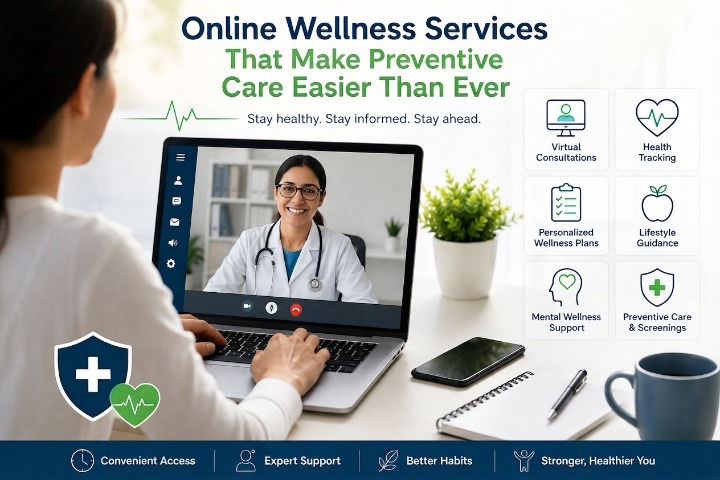
Telehealth, particularly in dermatology, has rapidly become a reliable and effective solution for managing a wide range of skin concerns. Through secure digital platforms, patients can now consult licensed dermatologists via video calls, messaging, or image based assessments.
This approach is especially effective for skincare, as dermatology is largely visual. High quality images and detailed consultations allow professionals to diagnose and recommend treatments with remarkable accuracy.
Beyond convenience, telehealth introduces a more streamlined and responsive care model one that prioritizes accessibility without compromising on expertise.
Why Telehealth Is Effective for Skin Texture Improvement
Telehealth offers several distinct advantages when it comes to improving skin texture:
Timely Intervention
Early treatment is critical in preventing texture related concerns from worsening. Virtual consultations eliminate long waiting periods, enabling faster access to professional care.
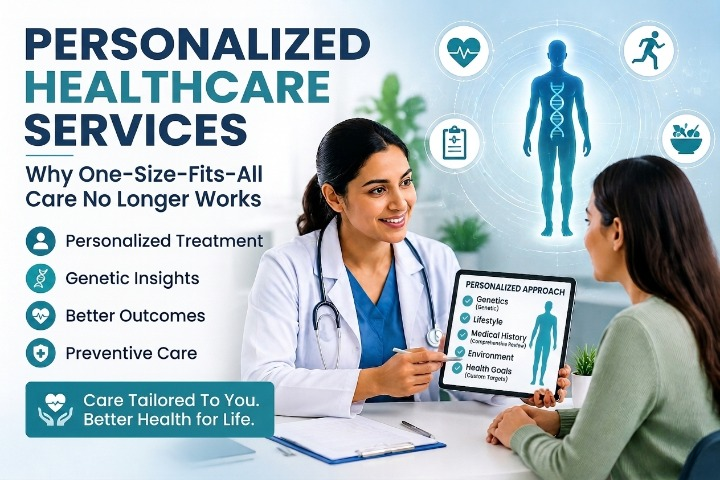
Personalized Treatment Plans
Every individual’s skin is different. Telehealth allows dermatologists to design customized skincare routines tailored to your skin type, concerns, and lifestyle factors.
Continuous Monitoring
Improving skin texture is a gradual process. With telehealth, follow ups are simple and consistent, allowing for timely adjustments to your treatment plan.
Greater Comfort and Privacy
Many individuals prefer discussing skin concerns in a private setting. Telehealth provides a comfortable environment that encourages open communication and better engagement.
Skin Conditions Commonly Managed via Telehealth
Teledermatology is highly effective in addressing conditions that directly impact skin texture, including:
• Acne and post-acne scarring
• Uneven skin tone and hyperpigmentation
• Enlarged pores
• Dryness and flakiness
• Fine lines and early signs of aging
• Rosacea and skin sensitivity
By identifying the root cause of these concerns, dermatologists can recommend targeted solutions that improve both the appearance and health of the skin.
Effective Telehealth Treatments for Smoother Skin
Prescription Based Topicals
One of the most impactful approaches to improving skin texture is the use of prescription-strength skincare.
Dermatologists commonly recommend:
• Retinoids to enhance cell turnover and stimulate collagen production
• Chemical exfoliants such as glycolic acid or salicylic acid to remove dead skin buildup
• Antioxidants like Vitamin C to brighten and refine skin tone
These treatments work at a cellular level, gradually improving skin smoothness and clarity with consistent use.
Customized Daily Skincare Routines
A well structured skincare routine is essential for maintaining long-term results. Through telehealth, dermatologists help build routines that include:
• Gentle cleansers suited to your skin type
• Hydrating moisturizers to support the skin barrier
• Broad-spectrum sunscreen to protect against UV damage
Sun protection, in particular, plays a critical role in preventing further texture damage and preserving collagen.
Acne Management Strategies
Acne is one of the leading contributors to uneven skin texture. Telehealth consultations enable dermatologists to:
• Prescribe targeted treatments for active acne
• Prevent future breakouts
• Minimize the risk of scarring
By controlling acne effectively, you create a foundation for smoother, healthier skin.
Lifestyle and Skin Health Optimization
Professional guidance often extends beyond products. Telehealth consultations may include recommendations such as:
• Avoiding excessive exfoliation
• Maintaining adequate hydration
• Choosing non-comedogenic skincare and makeup
• Supporting skin health through balanced nutrition and sleep
These factors significantly influence how your skin looks and feels over time.
Preparation for Advanced Procedures
For individuals requiring more intensive treatments such as chemical peels, microneedling, or laser therapy telehealth serves as an important first step.
Dermatologists can evaluate your skin, determine suitability, and prepare your skin in advance to ensure optimal results from in-clinic procedures.
What to Expect from a Telehealth Consultation
A typical teledermatology experience is straightforward and efficient:
1. Submit clear images of your skin concern
2. Provide relevant medical and lifestyle information
3. Consult with a dermatologist via video or chat
4. Receive a personalized treatment plan
5. Schedule follow-ups to monitor progress
Clear communication and high quality images play a key role in ensuring accurate diagnosis and effective treatment.
Limitations of Telehealth in Dermatology
While telehealth is highly effective, it is important to recognize its limitations.
Virtual care is ideal for:
• Mild to moderate skin concerns
• Routine skincare management
• Ongoing monitoring and adjustments
However, in-person consultations remain necessary for:
• Severe or complex conditions
• Suspicious lesions requiring examination
• Procedural treatments
A balanced approach combining telehealth with in clinic care when needed often delivers the best outcomes.
Practical Tips for Improving Skin Texture
To maximize results, consistency and simplicity are key:
• Commit to your routine: Allow at least 6 to 8 weeks to see visible improvements
• Avoid overloading your skin: Using too many active ingredients can disrupt the skin barrier
• Stay hydrated: Proper hydration supports smoother skin
• Use sunscreen daily: This is essential for preventing further damage
• Be patient: Skin renewal takes time, but consistent care yields lasting results
The Future of Skincare Is Accessible and Personalized
Telehealth is redefining how individuals approach skincare. By combining medical expertise with digital convenience, it empowers people to take proactive control of their skin health.
As technology continues to evolve, teledermatology will play an even greater role in delivering personalized, efficient, and results oriented skincare solutions.
Final Thoughts
Improving skin texture is not about quick fixes it is about adopting the right approach, guided by professional insight and consistent care.
Telehealth makes this process more achievable by providing:
• Immediate access to expert advice
• Tailored treatment plans
• Ongoing support and monitoring
With the right combination of professional guidance and daily skincare discipline, achieving smoother, clearer skin is well within reach.