Personalized Healthcare Services Why One Size Fits All Care No Longer Works
Personalized Healthcare Services Why One Size Fits All Care No Longer Works
Healthcare has come a long way over the years. Yet for decades, many medical decisions followed a simple formula: diagnose the condition, prescribe the standard treatment, and expect similar results for everyone. While this approach has helped millions of people, it has also revealed a significant limitation people are not the same.
Two patients can have the same diagnosis, follow the same treatment plan, and experience completely different outcomes. One may recover quickly, while the other struggles with side effects or limited improvement. This reality has led healthcare providers to rethink traditional care models and embrace a more individualized approach.
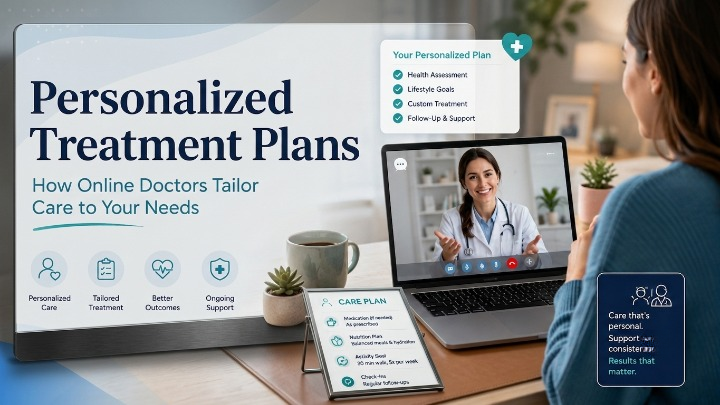
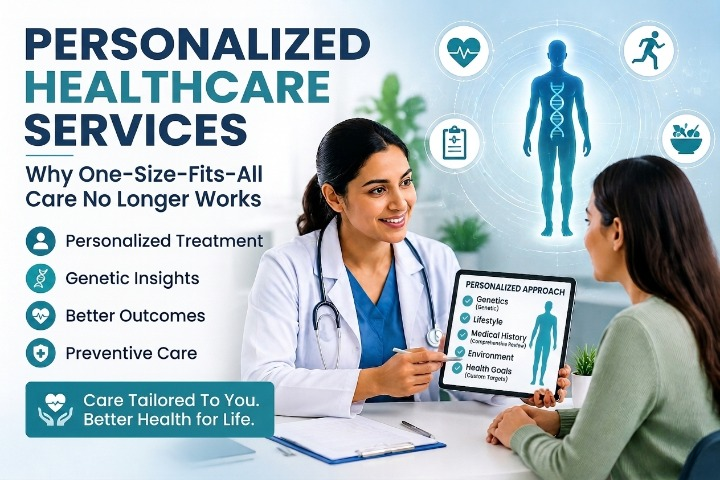
Today, personalized healthcare services are transforming the way medical care is delivered. Instead of focusing solely on the disease, healthcare professionals are looking at the whole person their genetics, lifestyle, medical history, environment, and personal health goals to create treatment plans that fit their unique needs. This shift is helping patients receive more targeted, effective, and meaningful care.
What Is Personalized Healthcare?
Personalized healthcare is an approach that tailors medical decisions, treatments, and preventive strategies to an individual rather than applying the same solution to everyone.
Rather than assuming that all patients with a particular condition will respond similarly, personalized skin care recognizes that every person has unique characteristics that influence their health. Factors such as age, genetics, family history, daily habits, stress levels, nutrition, and living environment all play a role in how diseases develop and how treatments work.
In simple terms, personalized healthcare asks a different question. Instead of saying, “What treatment usually works for this condition?” it asks, “What treatment is most likely to work for this specific person?”
This patient-centered mindset is becoming increasingly important as healthcare systems strive to improve outcomes while reducing unnecessary treatments and costs.
Why Traditional One Size Fits All Care Falls Short
Standardized healthcare has been valuable for establishing guidelines and ensuring consistency. However, it often overlooks the differences between individuals.
Consider medication as an example. A drug that works exceptionally well for one patient may be ineffective for another. Some people may experience severe side effects, while others notice little to no impact. These differences can be influenced by genetic variations, metabolism, existing health conditions, and lifestyle factors.
The same challenge exists in preventive care. Two people may have similar cholesterol levels, but their overall health risks could be very different due to family history, physical activity, diet, or underlying conditions.
When healthcare relies solely on generalized recommendations, important details can be missed. Patients may spend months trying different medications, treatments, or lifestyle changes before finding what actually works for them.
Personalized healthcare aims to reduce this trial and error process by providing more precise guidance from the beginning.
The Growing Demand for Individualized Care
Modern patients are more informed and engaged in their healthcare decisions than ever before. They want treatments that reflect their personal circumstances, not just broad medical averages.
At the same time, advances in medical technology have made individualized care more accessible. Healthcare providers now have access to sophisticated diagnostic tools, health data, genetic information, and predictive analytics that can help identify the most suitable treatment options for each patient.
This growing availability of data has changed expectations.online doctor consultation Patients no longer view healthcare as something that happens to them. They want to participate in decisions, understand their options, and receive care that aligns with their needs and preferences.
Personalized healthcare supports this shift by encouraging collaboration between patients and providers.
The Role of Genetics in Personalized Healthcare
One of the most talked-about aspects of personalized medicine is genetics.
Every individual has a unique genetic makeup that can influence disease risk, medication response, and treatment outcomes. By understanding these genetic differences, Globel healthcare providers can make more informed decisions about prevention and treatment.
For example, genetic testing may help identify individuals who have a higher likelihood of developing certain conditions. This information allows patients and providers to take proactive steps before symptoms appear.
Genetics can also help determine how a person metabolizes specific medications. Instead of prescribing treatments based solely on general guidelines, providers can choose therapies that are more likely to be effective and better tolerated.
While genetics is only one piece of the puzzle, it has become a powerful tool in creating more individualized care plans.
Personalized Healthcare Goes Beyond Genetics
Although genetics receives much of the attention, personalized healthcare is about far more than DNA.
A person's lifestyle often has an equally significant impact on health outcomes. Factors such as nutrition, sleep quality, exercise habits, stress levels, occupation, and social environment can all influence well being.
For example, two patients with the same medical diagnosis may require completely different treatment strategies because their lifestyles differ. One patient may need nutritional support and exercise guidance, while another may benefit more from stress management and behavioral interventions.
Personalized healthcare considers these broader factors to create plans that are realistic and sustainable for each individual.
Rather than focusing solely on treating illness, it supports overall health and long term wellness.
Benefits of Personalized Healthcare Services
The movement toward personalized care offers several meaningful benefits for both patients and healthcare providers.
Improved Treatment Effectiveness
When treatments are selected based on an individual's characteristics, they are more likely to produce positive results. Patients often receive therapies that better match their needs, reducing the time spent searching for effective solutions.
Fewer Unnecessary Side Effects
By understanding how a person may respond to certain medications or interventions, providers can avoid treatments that are less likely to be successful or may cause unwanted complications.
Better Preventive Care
Personalized healthcare focuses not only on treatment but also on prevention. Identifying individual risk factors allows providers to recommend targeted strategies that may help reduce the likelihood of future health problems.
Stronger Patient Engagement
Patients are more likely to follow treatment plans when those plans reflect their personal circumstances and goals. Feeling heard and understood often leads to greater trust and better long term health outcomes.
More Efficient Healthcare
When patients receive the right treatment sooner, healthcare resources can be used more effectively. This can help reduce unnecessary appointments, testing, and medication changes.
Challenges and Considerations
While personalized healthcare offers significant promise, it is not without challenges.
Access remains a concern for some patients. Advanced testing and specialized services may not be equally available in all regions. Cost can also be a barrier, particularly when newer technologies are involved.
Privacy is another important consideration. As healthcare systems collect more personal health data, ensuring secure storage and responsible use of that information becomes increasingly important.
Healthcare providers must also balance personalized insights with established medical guidelines. Individualized care should complement evidence-based medicine, not replace it.
Despite these challenges, ongoing advancements continue to make personalized healthcare more practical and accessible.
The Future of Healthcare
The future of healthcare is becoming more personal.
New technologies are helping doctors understand patients better than ever before. Wearable devices, digital health records, and advanced medical research are making it easier to create treatment plans that fit individual needs.
As these tools continue to improve, personalized healthcare is expected to become a normal part of everyday medical care.
Patients will have more information, more choices, and more opportunities to take control of their health.
Conclusion
One size fits all healthcare is no longer enough for today's patients.
Every person has a unique combination of genetics, lifestyle habits, medical history, and health goals. Because of these differences, healthcare should be tailored to the individual whenever possible.
Personalized healthcare services are helping make that vision a reality. By focusing on the whole person rather than just the disease, healthcare providers can deliver more effective treatments, improve patient experiences, and support better long term health outcomes.
As healthcare continues to evolve, personalized care is becoming more than a trend. It is becoming the future of modern medicine.