
Hair Loss Causes Explained: Stress, Hormones, Genetics, and Deficiencies
Hair Loss Causes Explained: Stress, Hormones, Genetics, and Deficiencies
Hair loss is something many of us worry about whether it’s noticing more hair in the shower drain, on the pillow, or watching your hairline slowly change. But most of the time, some hair shedding is perfectly normal. In fact, everyone loses around 50 to 100 hairs per day as part of the natural hair growth cycle.
The real problem begins when you notice thinning, patches of lost hair, or more shedding than usual. Hair loss can feel emotional or stressful, but understanding why it happens is the first step in addressing it. In this blog, we’ll explore the key causes of hair loss stress, hormones, genetics, and nutritional deficiencies explain how they impact your hair, and guide you toward smart ways to respond.
Hair: How It Grows (And Why It Falls)
Before jumping into causes, it helps to know a little about how hair normally works.
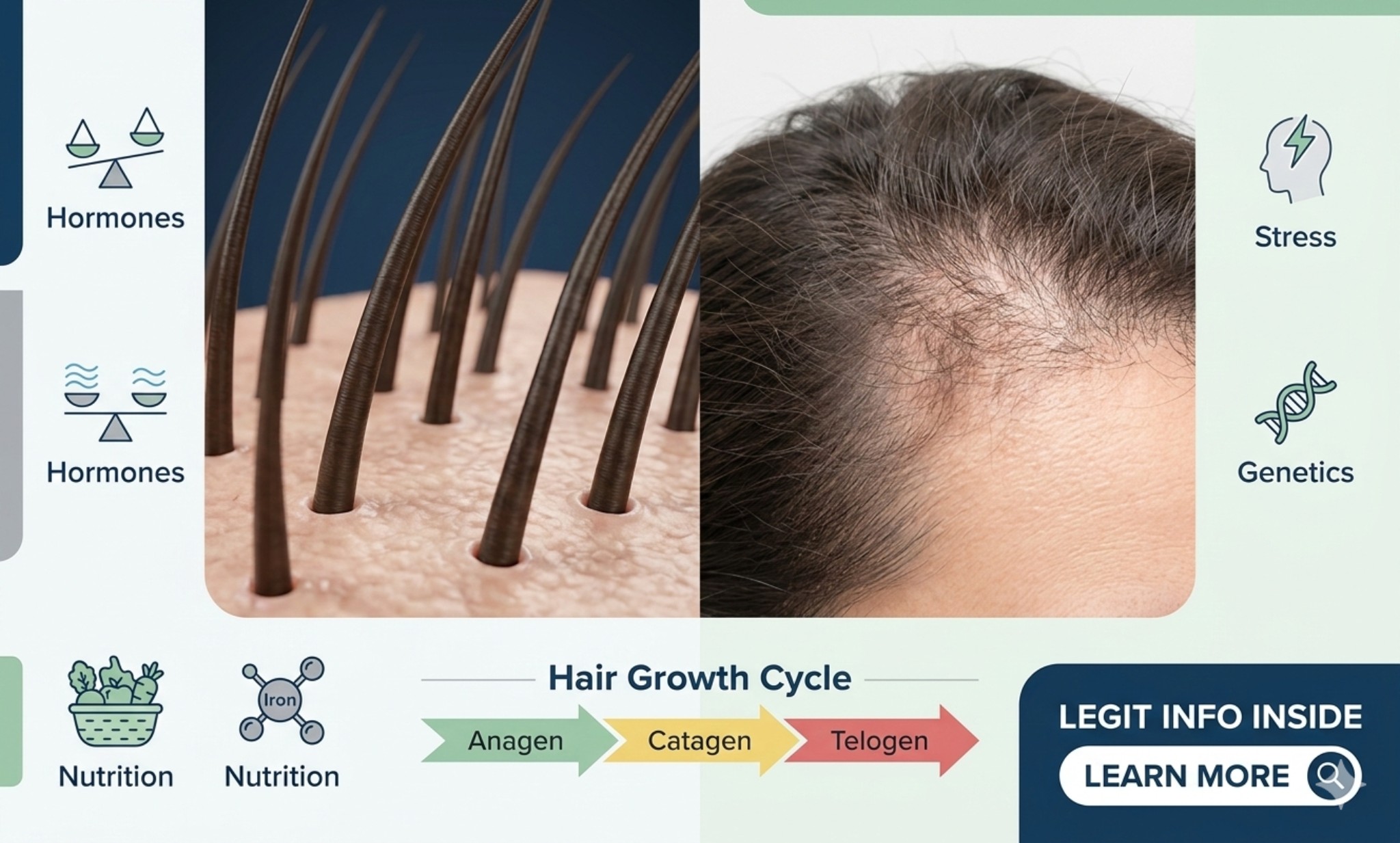
Your hair grows from follicles under your scalp and follows a cycle of:
1. Anagen (growth phase) hair actively grows
2. Catagen (transition phase) growth slows
3. Telogen (resting phase) hair rests and sheds
When this cycle is interrupted whether by stress, hormones, or underlying health issues more hairs than usual enter the shedding phase at once, leading to noticeable hair loss.
1. Stress and Hair Loss: The Connection
Stress is one of the most common triggers of hair shedding, yet it’s often misunderstood.
What Stress Does
Strong physical or emotional stress such as illness, surgery, major life changes, or long-term anxiety can push a large number of hairs into the resting phase prematurely. When this happens, hair may start falling out in larger quantities a few weeks or months afterward. This condition is called telogen effluvium.
In telogen effluvium:
• Hair shedding increases noticeably
• Hair becomes thinner across the scalp
• Hair loss is usually temporary
• Growth often returns within 3 to 6 months once the stressor has passed or is managed effectively 🇹🇱
Types of Stress That Can Cause Hair Loss
Stress-related hair loss isn’t caused only by emotional strain. It also includes:
Physical stress illness, high fever, surgery, severe injury
Rapid weight loss or dietary stress
Major life changes such as divorce or bereavement
Extended emotional stress such as anxiety or burnout
When Stress Turns to Hair Loss
Stress-related hair loss tends to appear a few months after the stressful event. You might not connect the shedding to what happened weeks earlier, similar to how some illness symptoms appear after the actual trigger.
2. Hormones: A Major Hair Loss Factor
Hormones play a powerful role in hair health. Changes in hormone levels whether temporary or long-term can disrupt the hair cycle significantly.
Common Hormonal Triggers
Pregnancy and Childbirth
During pregnancy, increased estrogen levels often reduce hair shedding and make hair look thicker. After childbirth, estrogen levels drop suddenly. This shift can trigger increased shedding often several months after delivery.
Menopause
As women approach menopause, natural hormone changes (especially in estrogen and progesterone) can affect hair growth and thickness. Many women notice hair thinning or widening of parts during this transition.
Thyroid Imbalances
Both hypothyroidism (low thyroid) and hyperthyroidism (high thyroid) can disrupt the hair cycle and cause shedding. The thyroid helps regulate metabolism and hair growth so when it’s off balance, hair can suffer.
Polycystic Ovary Syndrome (PCOS)
This common hormonal condition in women can accelerate hair thinning due to increased androgens (male hormones) that affect hair follicles.
Hormone-Related Hair Changes vs. Pattern Hair Loss
Some hormonal hair loss is temporary (like postpartum shedding), while others, such as menopause-related or PCOS-related thinning, can be longer-term without treatment. A healthcare professional can help identify the exact hormonal imbalance and suggest appropriate steps.
3. Genetics: The Inherited Influence
One of the biggest factors in hair loss is genetics.
Understanding Genetic Hair Loss
Genetic hair loss occurs when your inherited family genes cause hair follicles to shrink over time. This leads to thinner hairs and, eventually, visible reduction in hair density.
The most common hereditary forms include:
Androgenetic alopecia
• Often called male pattern baldness or female pattern hair loss
• In men, this usually appears as a receding hairline or bald spots at the crown
• In women, it often shows as diffuse thinning across the top of the head rather than bald patches
This type of hair loss affects millions and is the most frequently diagnosed cause of hair loss in adults.
How Genetics Affects Hair Follicles
In individuals with androgenetic alopecia, sensitive hair follicles respond to androgens (male hormones) such as testosterone and its derivative DHT. Over time, these hormones decrease the size of hair follicles, shortening the hair growth phase. This eventually leads to thinner, shorter hairs that are more fragile.
Can Genetic Hair Loss Be Treated?
While genetics can’t be changed, treatments such as topical medications (like minoxidil) or prescription medicines (like finasteride for men) can slow progression and sometimes encourage regrowth. For many people, early intervention provides the best outcome.
4. Nutritional Deficiencies: What Hair Needs to Grow
What you eat directly affects how your body and hair functions.
Hair is made mostly of protein, so insufficient nutrients can weaken strands and impair growth.
Key Nutrients for Hair Health
Protein
Hair is built from keratin a protein. Not getting enough protein in your diet can slow hair growth and make hair more likely to fall out.
Iron
Iron deficiency anemia is a common cause of hair loss, especially in women. Iron helps carry oxygen to hair follicles without it, hair can enter the resting phase too soon, leading to shedding.
Biotin and Other B Vitamins
Biotin (vitamin B7) and other B vitamins support hair growth by aiding cell metabolism and energy production. Deficiencies can weaken hair and slow growth.
Zinc
Zinc plays a role in hair tissue growth and repair. Low levels are linked with shedding and thinning.
Vitamin D
Vitamin D receptors help stimulate hair follicles. Low vitamin D levels are repeatedly found in people with hair thinning.
Expert Tip:
Ask your doctor to check your Ferritin levels (stored iron). Hair shedding often begins when your iron stores are low, even if your standard blood test says you aren't technically "anemic" yet.
Signs of Nutritional Hair Problems
Common signs that nutrition may be affecting your hair include:
• Dull, brittle hair
• Increased breakage
• Noticeable thinning overall
• Slow regrowth after shedding
A balanced diet, and possibly supplements under medical guidance, can help reverse some deficiency-related hair loss.
Other Contributing Factors
While stress, hormones, genetics, and deficiencies are major causes, hair loss can also be influenced by:
Medications & Medical Treatments
Certain drugs such as chemotherapy, blood thinners, high doses of vitamin A, or treatments for conditions like gout can trigger hair loss.
Autoimmune Conditions
Conditions like alopecia areata occur when the immune system mistakenly attacks hair follicles, leading to patchy loss. Stress hormones may play a role here, though the exact causes are complex.
Haircare Habits
Tight hairstyles (like ponytails or braids) or harsh chemical treatments can damage follicles and cause traction hair loss.
Underlying Health Conditions
Diseases like thyroid disorders, lupus, and scalp infections can affect hair growth cycles and lead to loss.
Normal Hair Shedding vs. Hair Loss: What’s the Difference?
Not every hair you lose is a cause for alarm. Normal shedding is part of the natural cycle.
Signs that hair loss may be more than normal:
• Noticeable thinning or widening of parting
• Hair falling in clumps
• Bald patches
• Scalp visibility increasing over time
• Shedding continuing for many months
If you’re unsure whether what you’re experiencing is normal, it’s worth discussing with a healthcare professional.
When Should You See a Doctor?
If hair loss:
1. Is sudden or severe
2. Continues beyond a few months
3. Comes with itching, pain, or scalp irritation
4. Occurs with other symptoms like fatigue or weight changes
then consulting a dermatologist or healthcare provider is a good idea. They can assess hormones, nutrient levels, thyroid function, and other factors with blood tests and exam.
Wrapping Up
Hair loss can feel worrying, but it often has understandable causes and many of them are manageable:
1. Stress can temporarily disrupt your hair cycle.
2. Hormonal shifts affect growth at various life stages.
3. Genetics determine your baseline hair pattern.
4. Nutritional deficiencies weaken hair strength and growth.
Understanding these factors empowers you to identify the why behind hair loss and take the right steps whether through lifestyle changes, medical advice, or targeted treatment.